Back to Activities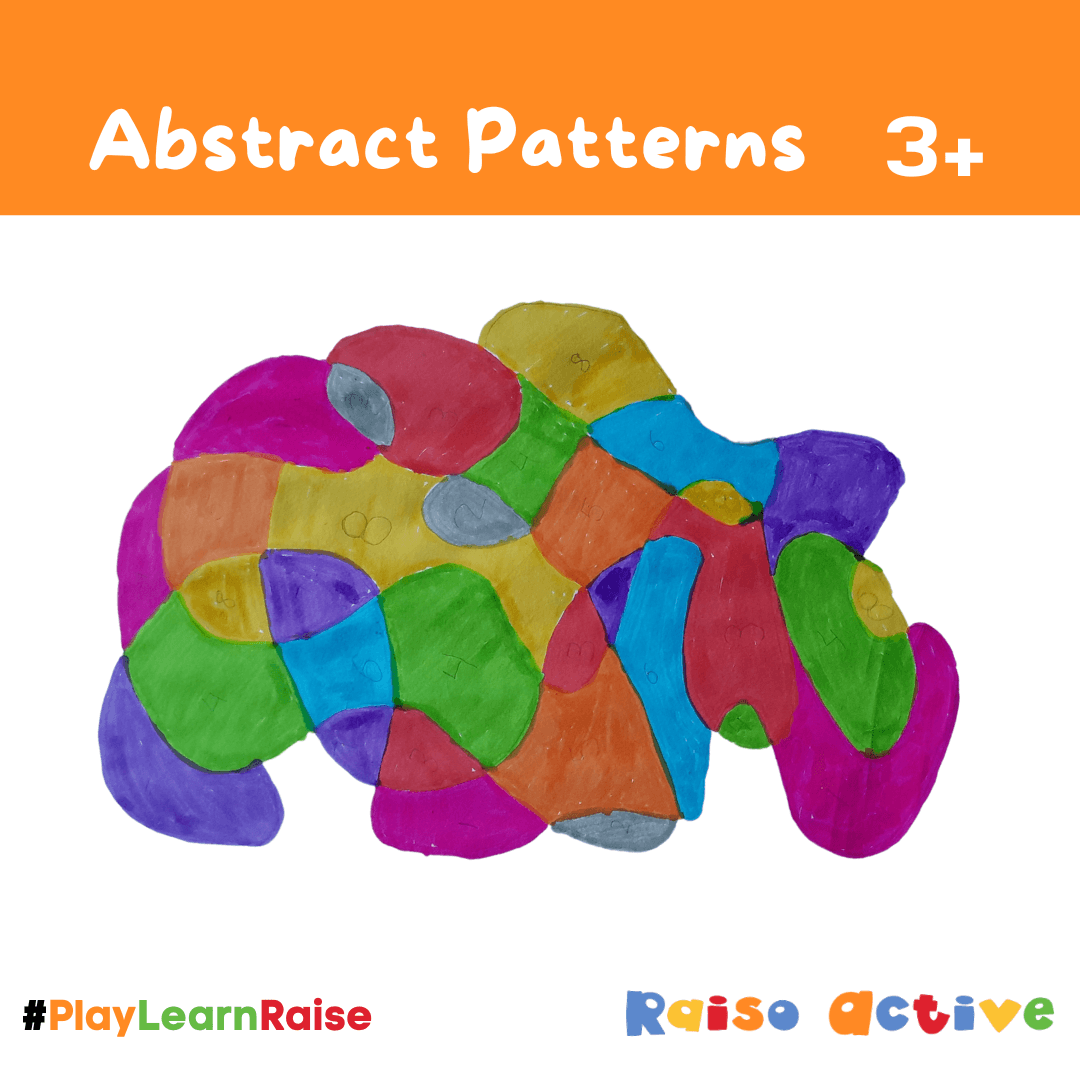
Art & Creativity
Colorful Abstract Patterns Craft: An Easy Art Activity for Kids
Engage your child in creating vibrant abstract art with this fun and easy craft. Children will explore colors, shapes, and patterns as they design their own unique masterpiece, fostering creativity and fine motor skills.
Share:
Topics:
craft
Ages 3-8
Video Tutorial
Log in to track your progress on this activity
Sign in to track progressWhat Your Child Will Learn
- Develop fine motor skills through cutting and gluing.
- Enhance creativity and self-expression through art.
- Improve color and shape recognition.
- Foster understanding of patterns and composition.
- Practice visual discrimination and spatial reasoning.
Materials Needed
- Construction paper in various colors
- Scissors (child-safe)
- Glue stick
- White paper or cardstock (for base)
- Markers or crayons (optional, for adding details or coloring shapes)
Video Tutorial
Step-by-Step Instructions
What You'll Need
• Construction paper in various colors (or white paper to color) • Scissors (child-safe recommended) • Glue stick or liquid glue • White paper or cardstock (for the base of the artwork) • Pencil (optional, for drawing shapes) • Markers or crayons (optional, if coloring shapes or adding details)
Getting Started
Gather all your materials in a clear workspace. If you're using white paper, decide if your child will color the paper first to create colorful shapes, or if you'll use pre-colored construction paper. For younger children, pre-cutting a variety of abstract shapes can make the activity more accessible.
How to Do This Activity
• Create Your Shapes: Either draw various abstract, irregular shapes directly onto colorful construction paper and cut them out, or draw shapes onto white paper and have your child color them before cutting. Encourage a mix of sizes and forms. • Arrange the Pattern: On your base white paper or cardstock, invite your child to arrange the cut-out shapes to create an abstract pattern. There's no right or wrong way – encourage them to overlap shapes, place them side-by-side, or create unique compositions. • Glue Your Design: Once your child is happy with their arrangement, use a glue stick or liquid glue to secure each shape onto the base paper. • Add Finishing Touches (Optional): If desired, your child can use markers or crayons to add further details, lines, or even numbers/symbols onto their abstract pattern, similar to the example image.
Tips for Parents
• Encourage Free Expression: Emphasize that abstract art is about feelings and shapes, not necessarily creating a recognizable object. Let your child experiment freely. • Discuss Colors and Shapes: As your child works, talk about the different colors they are using and the names of the shapes (even if they are irregular, you can describe them as 'curvy', 'pointy', 'long', 'short'). • Assist with Cutting: For younger children, you might need to do most of the cutting or guide their hand. As they get older, encourage them to cut independently to build fine motor skills. • Focus on the Process: The goal is the creative process and exploration, not a perfect end product. Praise their effort and imagination.
Ways to Extend
• Texture Exploration: Incorporate different materials like fabric scraps, yarn, or magazine cutouts to add texture to the abstract pattern. • Collaborative Art: Work together on a larger piece of paper, with each person contributing shapes to a shared abstract artwork. • Theme-Based Patterns: Suggest a theme, like 'ocean patterns' (using blues and greens) or 'forest patterns' (using browns and greens), to inspire their color choices. • Number/Letter Match: For older children, write numbers or letters on some of the shapes and challenge them to arrange them in sequence or to match pairs before gluing.
.png&w=3840&q=75)